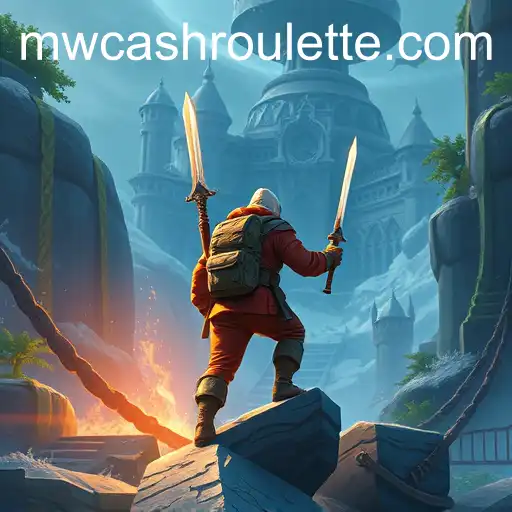
Adventure Games: Exploring the Thrills and Puzzles of Interactive Storytelling
In the ever-evolving landscape of video gaming, the "Adventure Games" category holds a cherished place in the hearts of many gamers. From point-and-click classics to modern-day immersive experiences, adventure games have captivated players with their compelling narratives, challenging puzzles, and intriguing worlds.
Adventure games are characterized by their focus on storytelling and exploration. Players become part of an unfolding story, taking on roles as protagonists tasked with resolving complex situations. Unlike other genres, where the emphasis might be on action or strategy, adventure games prioritize narrative development and character engagement. This genre often includes elements such as item retrieval, puzzle-solving, interaction with non-player characters (NPCs), and decision-making that impacts the story's outcome.
One of the hallmark characteristics of adventure games is their ability to merge storytelling with gameplay seamlessly. From solving intricate puzzles that unlock the next part of the story to making choices that determine the ending, these games offer a level of engagement that surpasses other genres. For instance, classics like 'Monkey Island' and 'Broken Sword' have left lasting impacts due to their witty dialogues, engaging narratives, and brain-teasing puzzles.
The evolution of technology has further enriched the adventure game experience. Modern adventure games often feature detailed graphics, voice acting, and elaborate soundscapes that draw players deeper into the game world. Moreover, with the advent of virtual reality (VR) and augmented reality (AR), the possibilities for immersion have expanded, allowing players to physically engage with the game environment in ways never before possible.
Furthermore, the rise of indie game developers has brought new creativity and innovation to the genre. With platforms such as Steam and mobile app stores, many indie titles have gained popularity, offering fresh takes on the traditional adventure game format. These games frequently experiment with storytelling techniques, creating unique and emotionally resonant experiences for players.
In recent years, the incorporation of "mwcash" within adventure games has added an intriguing layer of dynamics. Players might acquire mwcash as a form of in-game currency to unlock items, hints, or additional story content, introducing an element of strategy and resource management to the narrative-driven gameplay. This integration not only enhances player engagement but also adds depth to the story, encouraging players to explore every nook and cranny of the game world to earn and wisely use mwcash.
In conclusion, the adventure game genre continues to be a vibrant and integral part of the gaming industry. Its ability to blend rich narratives with interactive gameplay ensures that adventure games remain beloved by players of all ages. As technology advances and developers continue to push the boundaries, there is no limit to where this exciting genre might take us next.